
Coffee Bar:The State of the Gen Z Movement and Kenya’s Political Future
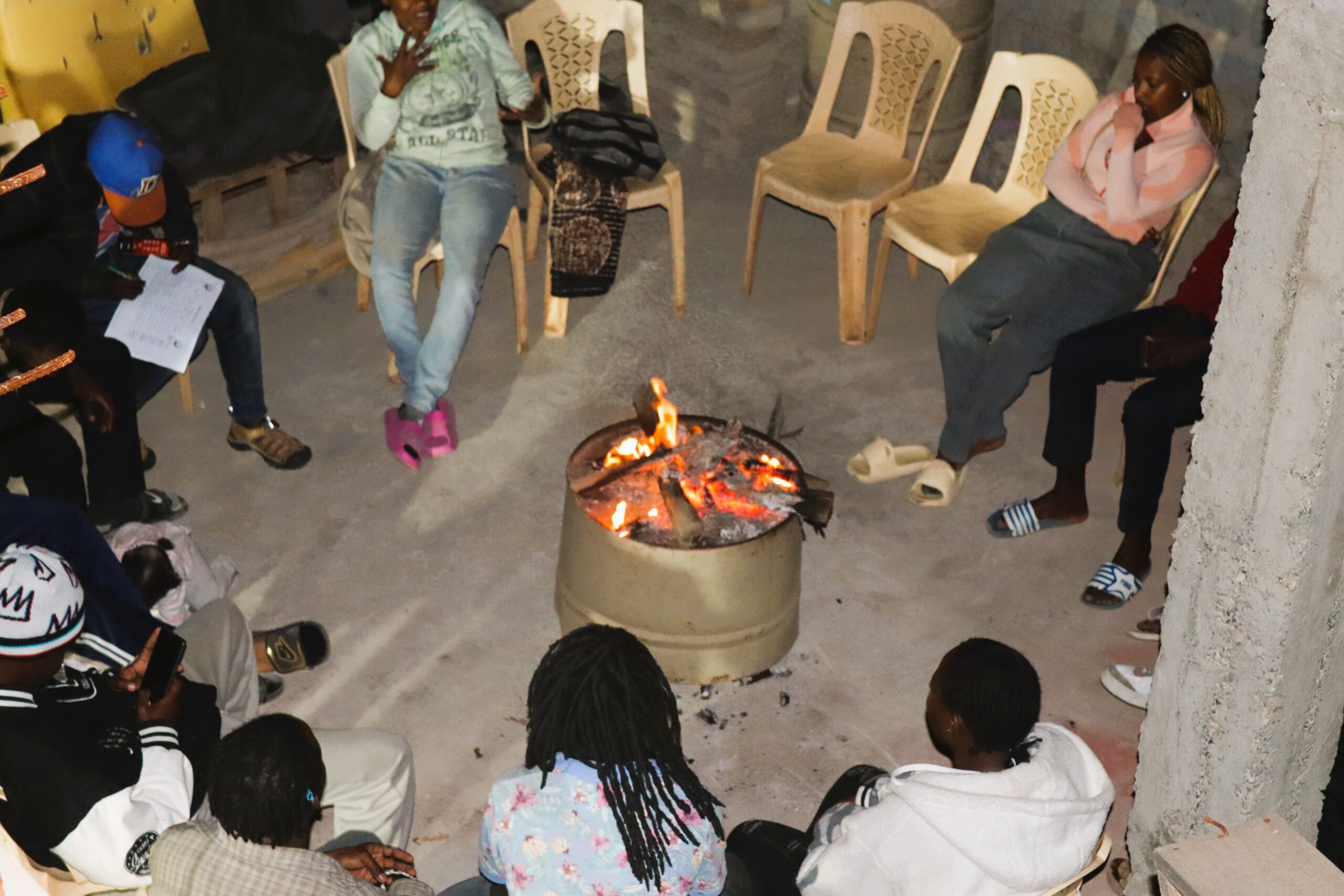
The Coffee Bar Conversation held at The MuYi Hub brought together 12 participants (4 females and 8 males) for an engaging discussion on the current state of the Gen Z movement, civic participation, and leadership in Kenya.

Participants observed that there is a growing perception that the Gen Z movement has lost momentum. However, the discussion revealed a different perspective. Many participants argued that the movement remains active but has changed in form. They noted that public participation is often measured by the number of people on the streets, yet the current environment has become more challenging due to the emergence of violent groups and goons who have increasingly taken over protest spaces.
Unlike previous demonstrations where protesters mainly faced law enforcement, participants expressed concern that attending street protests now exposes individuals to risks of robbery, assault, and other forms of harm from fellow citizens. This has led many young people to prioritize their personal safety and avoid physically joining demonstrations, even when they continue to support the movement’s objectives.
The conversation also highlighted widespread dissatisfaction with leadership across all levels of government, from Members of County Assembly (MCAs) to the Presidency. Participants pointed to persistent governance challenges and emphasized the urgent need for accountable, responsive, and people-centered leadership.
Despite these concerns, the discussion remained hopeful. Participants agreed that significant progress has already been achieved through the 2024 and 2025 protests. They noted that these movements have contributed to a more politically aware and informed citizenry, particularly among young people. The increased public engagement in governance issues, accountability, and civic education was cited as evidence of this growing consciousness.

A key example discussed was the recent “Tuko Kadi” campaign, which reportedly facilitated the registration of over 2.6 million young voters. Participants viewed this as a strong indication that young people remain committed to shaping Kenya’s future and are preparing to influence the outcome of the 2027 General Election.
There was a shared view that the Gen Z movement has not died but has become fragmented across different political and social interests. Nevertheless, participants believed that the achievements made so far, combined with the willingness of young people to unite around common goals, will become increasingly evident as the country approaches the 2027 elections.
Key Recommendations and Consensus
- The Gen Z movement remains alive, although its methods and spaces of engagement are evolving.
- Safety concerns are a major factor limiting participation in street demonstrations.
- Leadership failures exist across multiple levels of government and require urgent attention.
- Civic awareness among young people has significantly increased since the 2024 and 2025 protests.
- Youth voter registration efforts, including the Tuko Kadi campaign, demonstrate continued commitment to democratic change.
- Citizens should prioritize electing competent, ethical, and accountable leaders at all levels, from MCA positions to the Presidency.
- The 2027 General Election presents an important opportunity for citizens to translate civic awareness into meaningful political change.
Conclusion

The Coffee Bar Conversation concluded with optimism that meaningful change in Kenya is possible. While participants acknowledged the challenges facing the Gen Z movement and the broader political landscape, they agreed that the movement’s impact is already visible through increased civic awareness, youth engagement, and voter mobilization. The group expressed confidence that these efforts will play a significant role in shaping Kenya’s democratic future and fostering better leadership at all levels of governance.


Facebook Comments