Coffee Bar: Can Kenya Prevent Another Cycle of Election Violence? Casing Point Ol Kalou and Viwandani Ward
As Kenya moves closer to the 2027 General Election, concerns about election-related violence are beginning to dominate public conversations once again. While campaigns have not officially begun, recent events in different parts of the country are raising difficult questions about whether the country has learned from its past—or whether it risks repeating it.
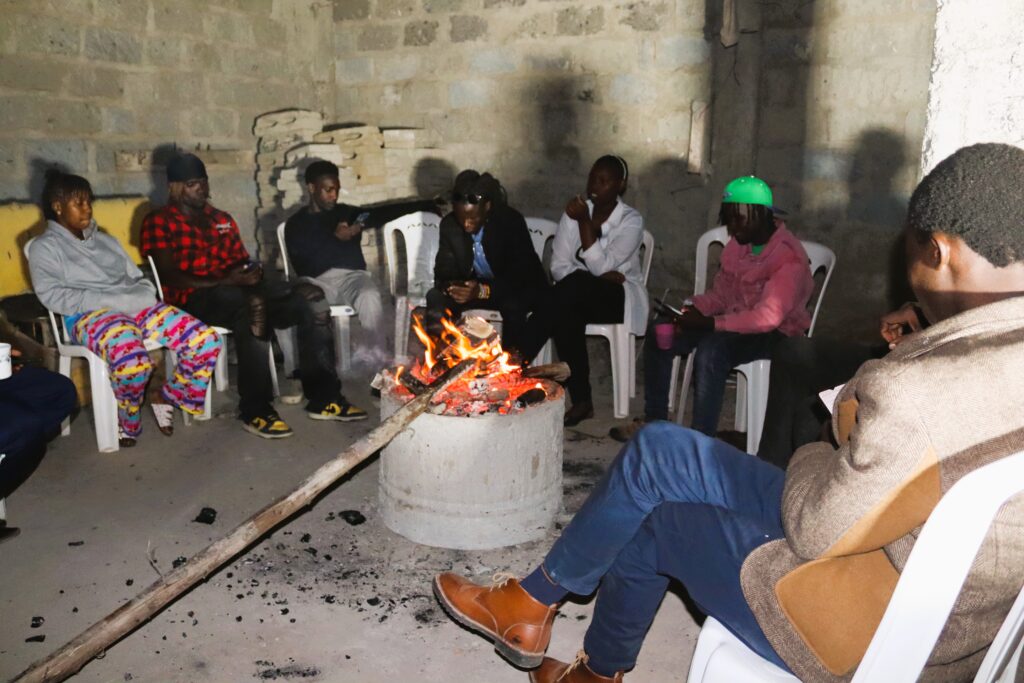
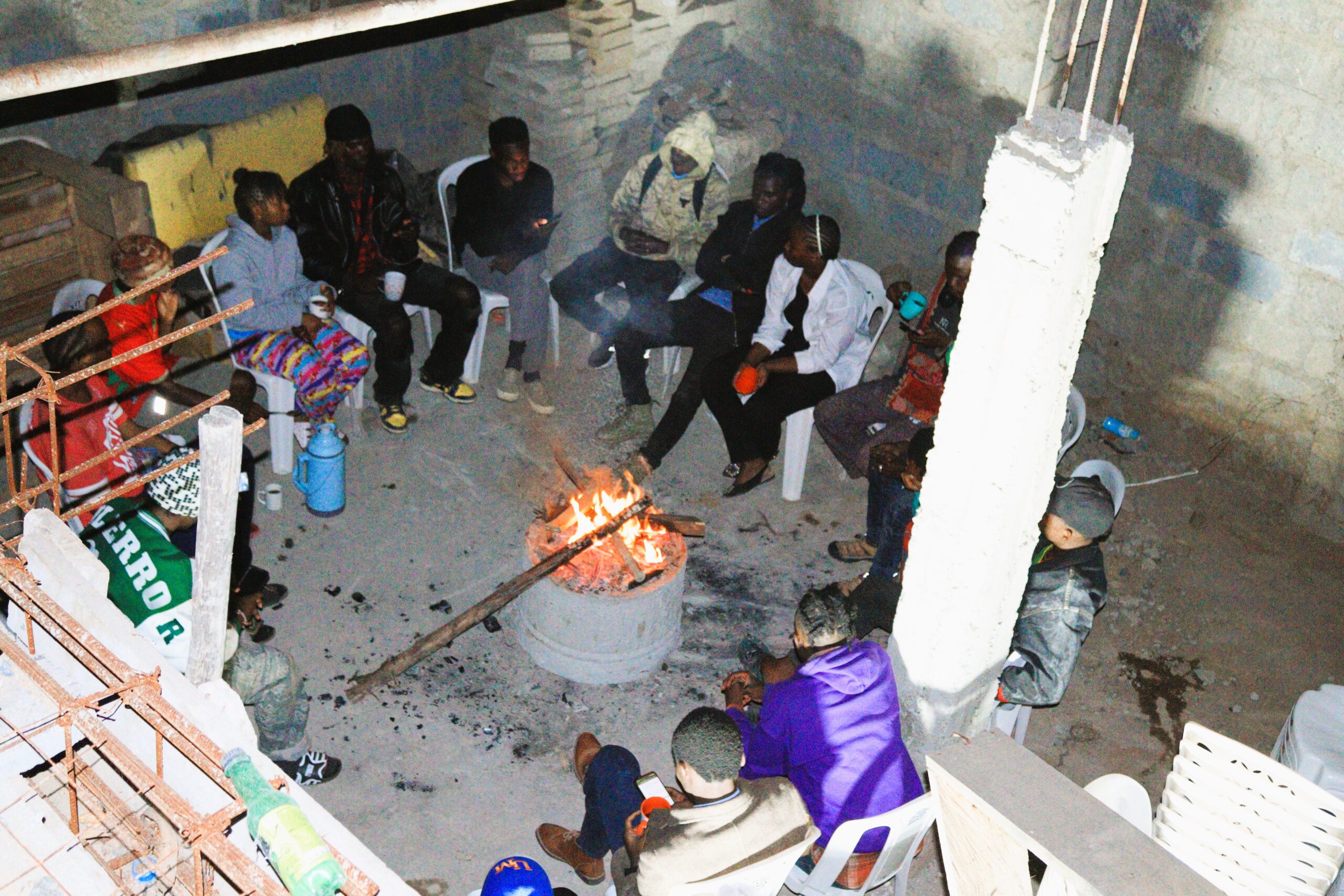
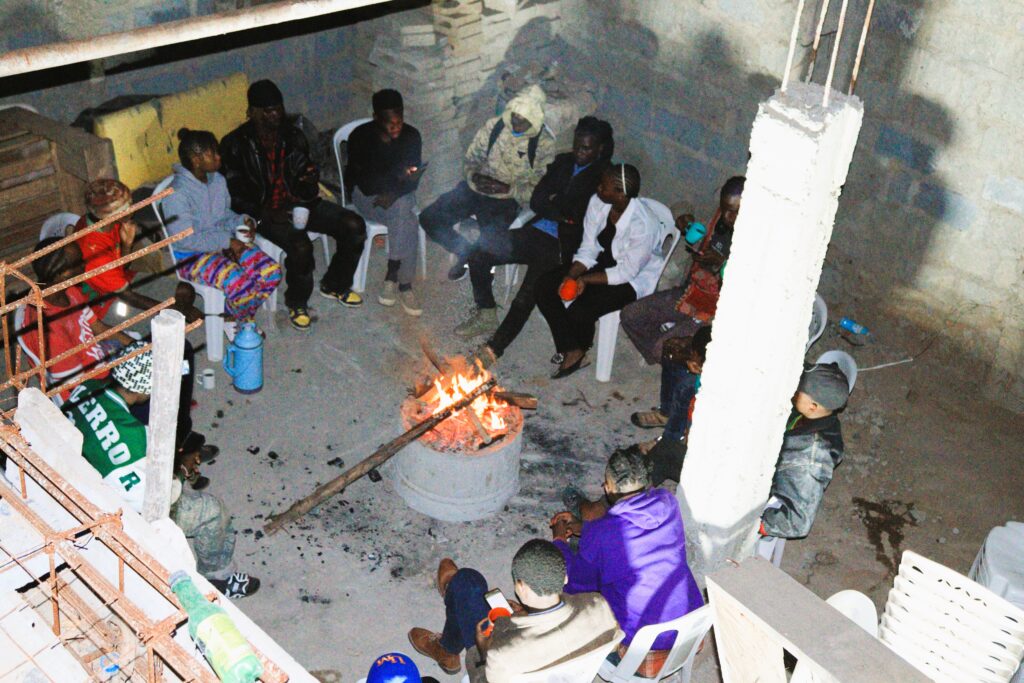
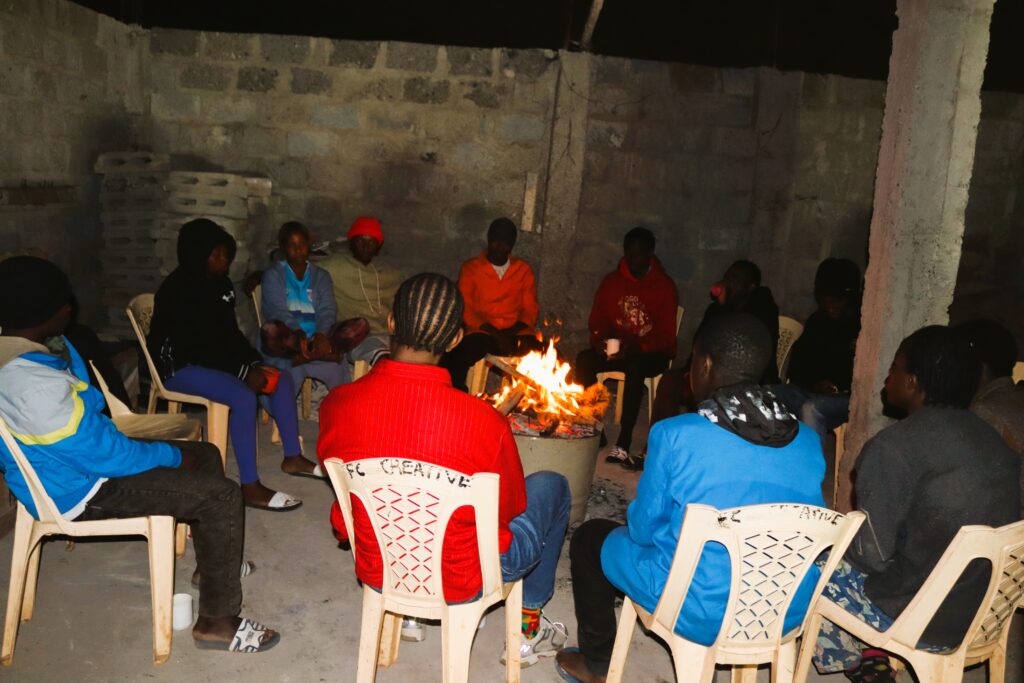
This week’s Coffee Bar Tuesday at the MuYI Hub brought together young people from Mukuru to discuss the state of Kenya’s electoral environment, with particular focus on the Point Olkalou by-election, the recent violence in Viwandani Ward, and what these events could mean for the country’s democratic future.
When Local Events Become National Warnings
The discussion opened with reflections on the recent politically charged violence witnessed in Viwandani Ward, Mukuru. Participants expressed concern over clashes between rival political supporters that resulted in injuries, destruction of property, and heightened tension within the community.
The subsequent arrest and arraignment of the sitting MCA together with two other individuals demonstrated that election-related violence is no longer a concern for the future—it is already happening in local communities.
For many participants, the events in Viwandani served as a reminder that political competition can quickly escalate into violence when leaders place personal interests above the well-being of the communities they seek to represent.
Looking at the Bigger Picture
The discussion was further informed by reports warning about Kenya’s vulnerability to election-related violence.
Participants referred to recent analyses suggesting that the country faces a significant risk of political violence if current trends continue unchecked. While they acknowledged that predictions are never certain, many agreed that the warning signs are becoming increasingly visible.
Across the country, there have been growing reports of politically sponsored groups disrupting meetings, intimidating opponents, and using violence to influence political narratives.
Participants observed that these incidents resemble patterns witnessed before previous election periods and stressed that they should not be ignored simply because the General Election is still months away.
The conversation concluded that preventing violence requires action long before campaigns officially begin.
The Lessons from Point Olkalou
The Point Olkalou by-election became another key focus of the discussion.
Participants noted that although the election is for a single parliamentary seat, it has attracted national attention because it is widely viewed as a test of Kenya’s electoral institutions ahead of the 2027 General Election.
Many participants felt that the contest had become heavily politicized, with national political interests overshadowing local issues.
There was also concern that reports of violence and intimidation during campaigns undermine public confidence in democratic processes.
The discussion emphasized that every by-election offers an opportunity to strengthen democracy—or weaken it. Participants agreed that how institutions respond during these smaller elections sends an important message about what citizens should expect in 2027.
Rebuilding Trust in the Electoral Process
One issue that united participants was the importance of public confidence in the electoral system.
Many argued that the Independent Electoral and Boundaries Commission (IEBC) has an opportunity to rebuild trust by ensuring that the Point Olkalou by-election is conducted in a transparent, peaceful, and credible manner.
Participants observed that public confidence in elections has declined over the years due to recurring disputes, allegations of irregularities, and political interference.
They agreed that a credible by-election would demonstrate the Commission’s commitment to fairness and strengthen confidence ahead of the General Election.
Politics Without Violence
Beyond electoral institutions, participants reflected on the responsibility of political leaders.
There was consensus that politicians should stop mobilizing young people to engage in violence, intimidation, and destruction of property during campaigns.
Instead, campaigns should focus on ideas, leadership, and public service rather than fear and confrontation.
Participants also challenged young people to reject attempts to be used as political weapons, emphasizing that while elections come and go, communities are left to deal with the long-term consequences of violence.
Peace Begins with Communities
The conversation highlighted that preventing election violence is not solely the responsibility of the government or the police.
Communities themselves have a role to play by promoting dialogue, rejecting hate speech, discouraging political bribery, and holding leaders accountable for their actions.
Participants agreed that civic education should be intensified ahead of the 2027 elections so that voters can make informed decisions based on policies and leadership rather than ethnicity, intimidation, or financial inducements.
Looking Ahead
The Coffee Bar concluded with a shared understanding that Kenya still has time to avoid another cycle of election-related violence—but only if action is taken now.
Participants called on political leaders to exercise restraint, security agencies to act impartially, and electoral institutions to uphold their constitutional mandate without fear or favour.
Most importantly, they challenged young people to become ambassadors of peace within their communities by rejecting violence, speaking out against political manipulation, and encouraging issue-based politics.
As the country prepares for another election cycle, the message from Coffee Bar was clear: peaceful elections are not achieved on polling day—they are built through the everyday choices of leaders, institutions, and citizens alike.