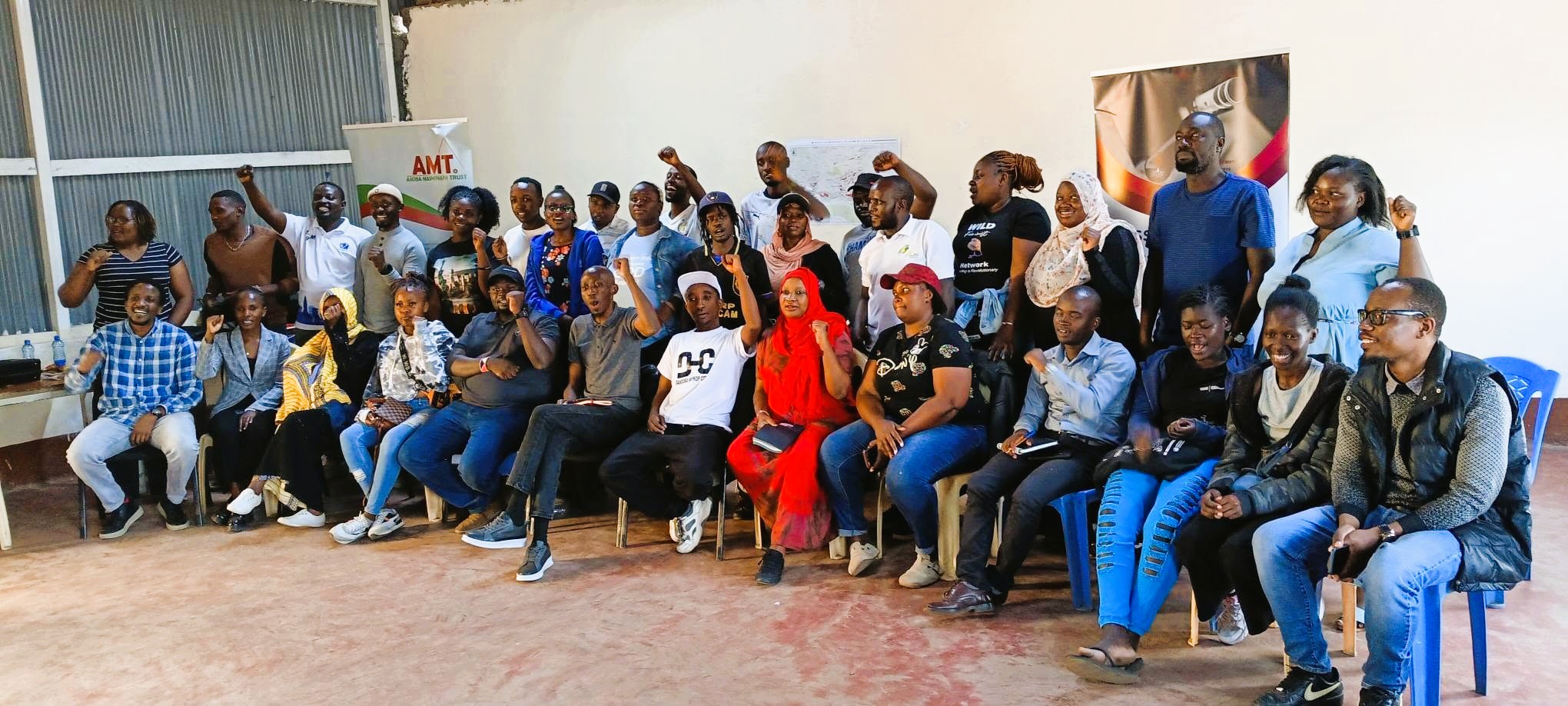
Nairobi People’s Manifesto: Putting Community Priorities at the Centre
30 September 2026 | Mathare, Nairobi
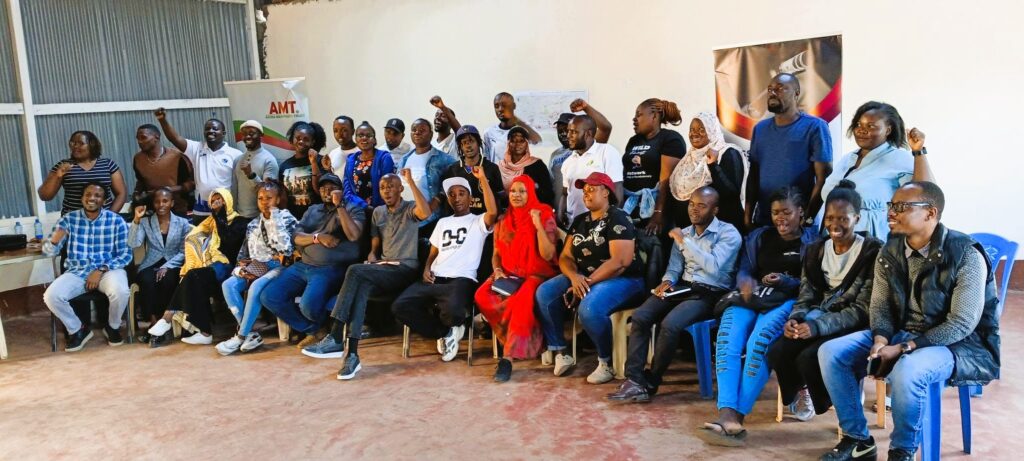
Mukuru Youth Initiative (MuYI) is proud to be part of the Nairobi People’s Manifesto formulation process, an ongoing community-led initiative aimed at bringing together the voices, experiences and priorities of Nairobi residents ahead of the 2027 General Election.
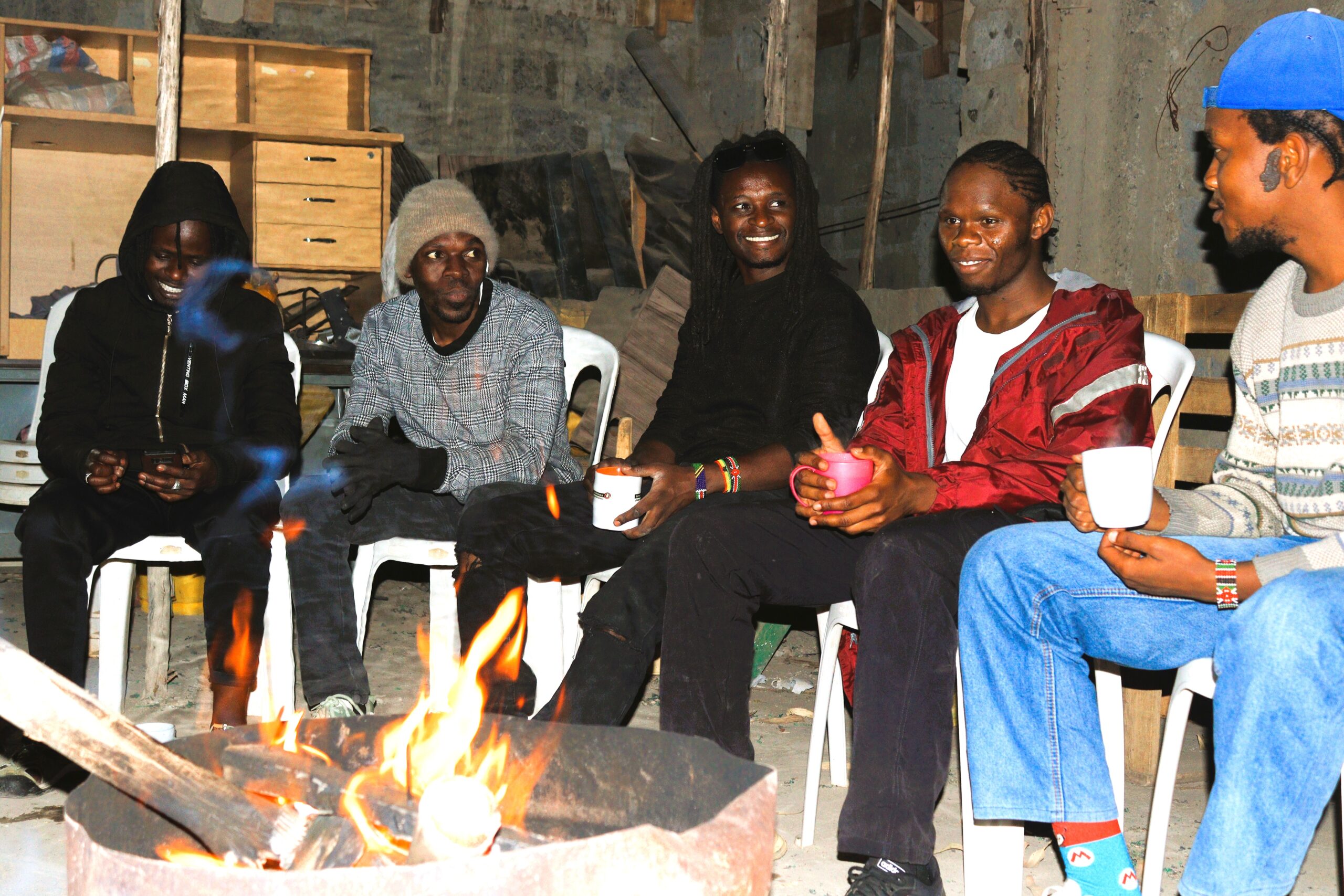
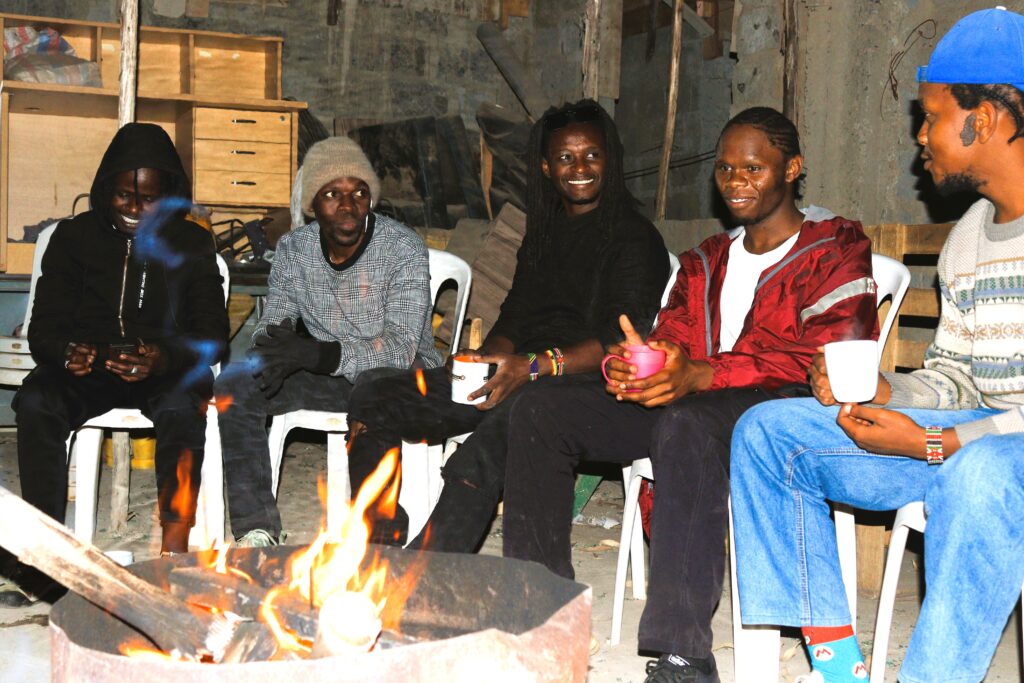
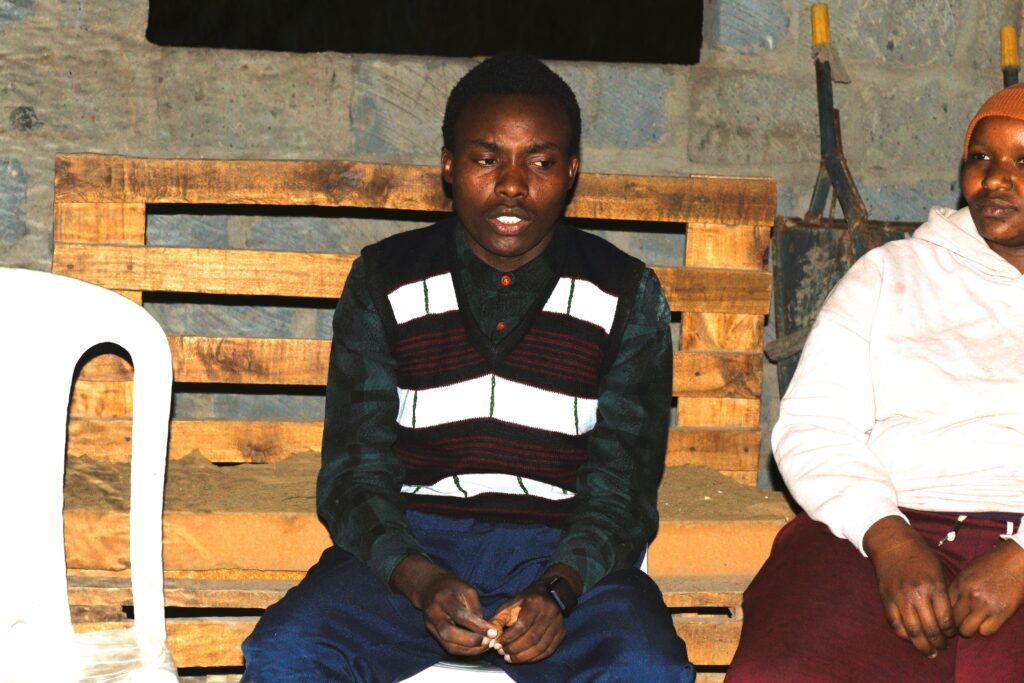
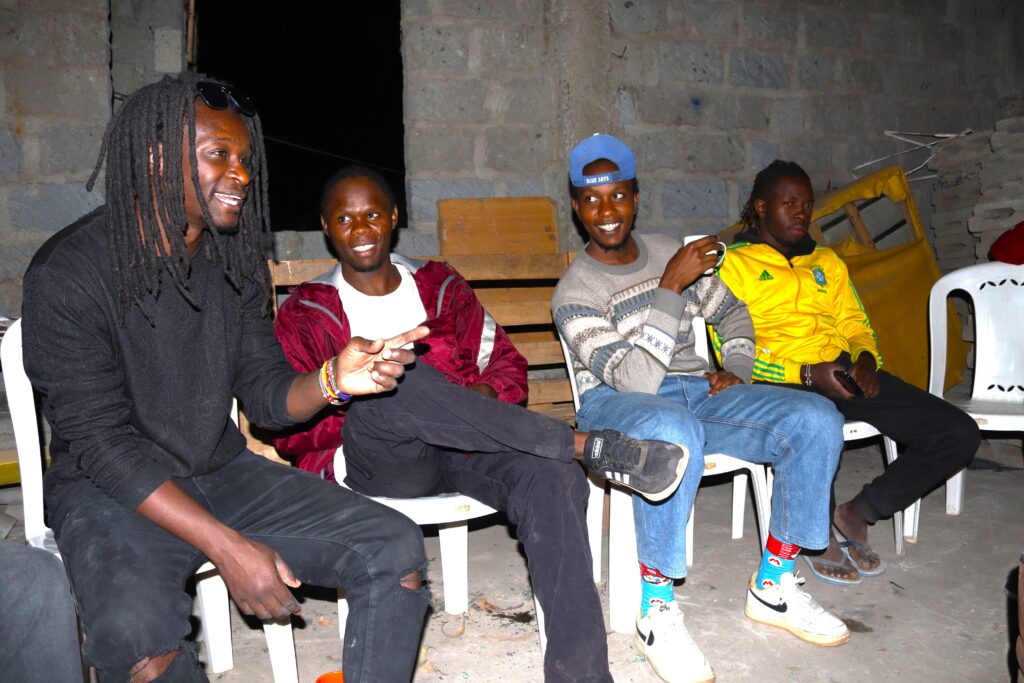
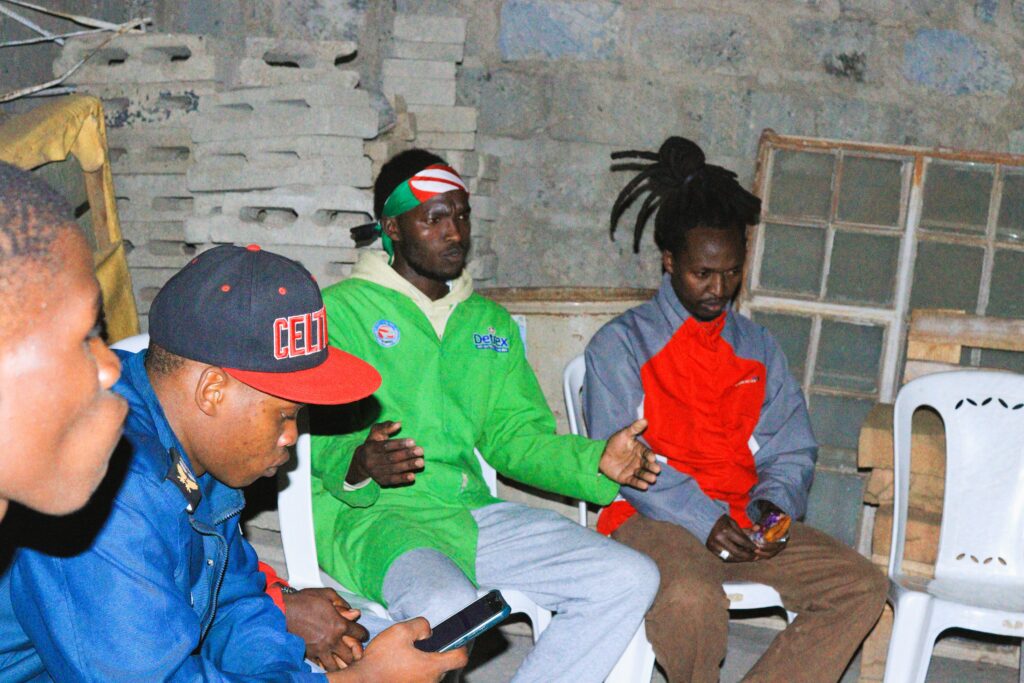
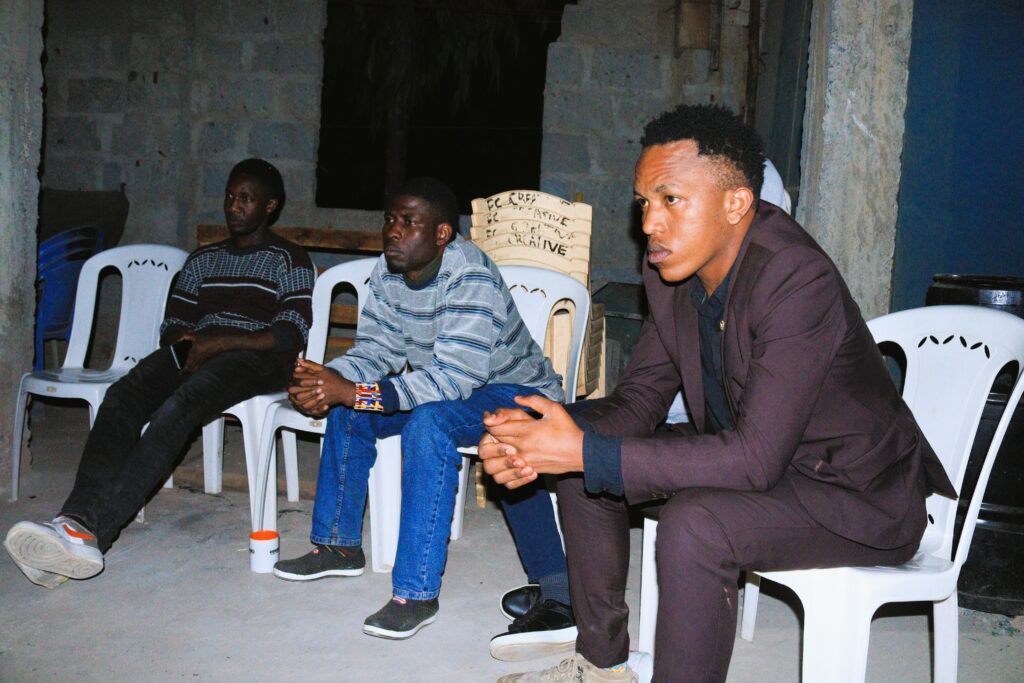
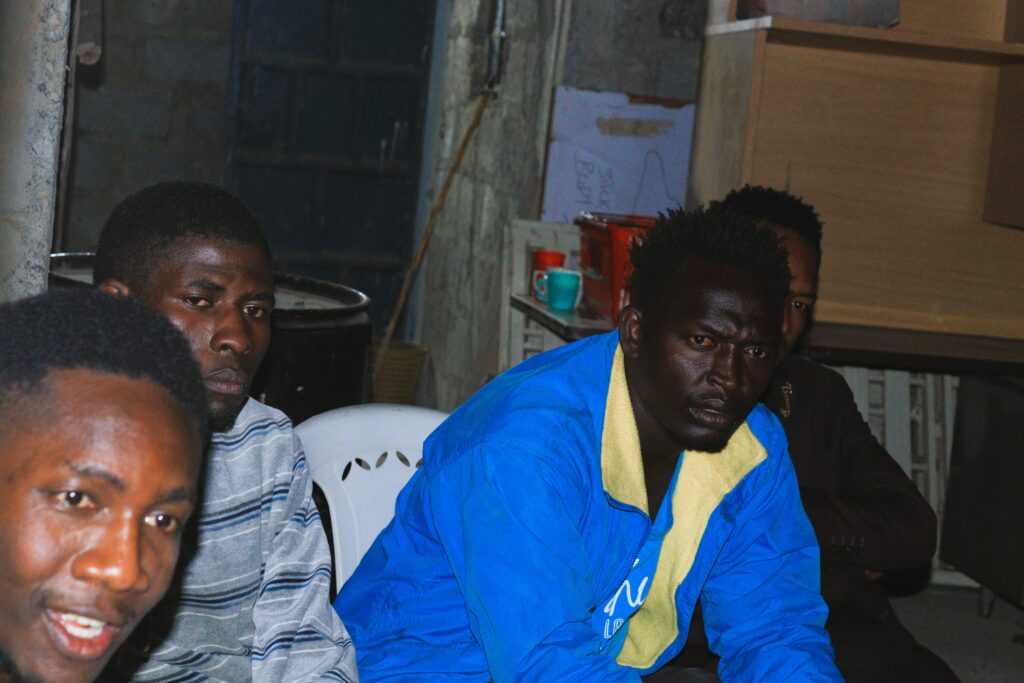
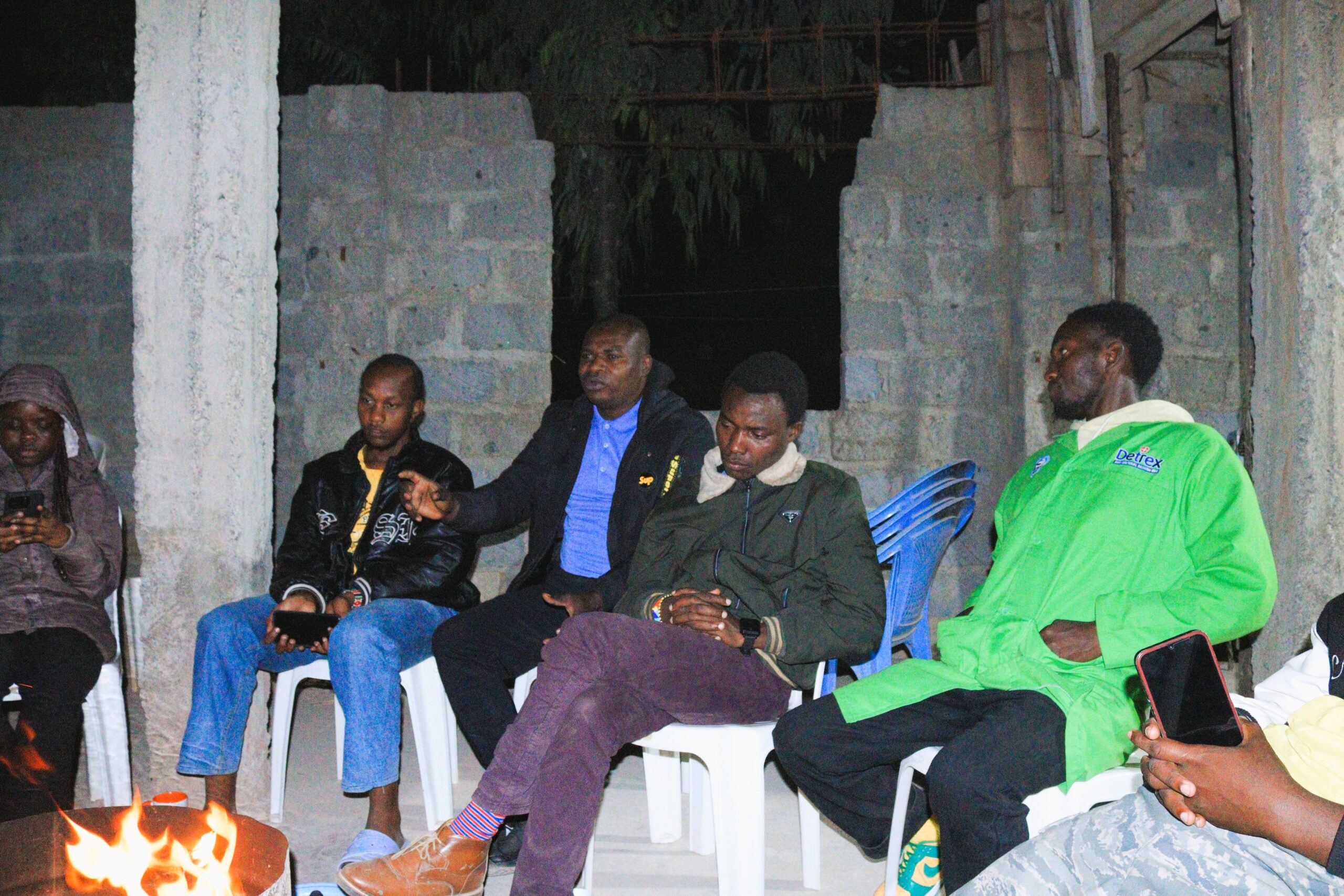
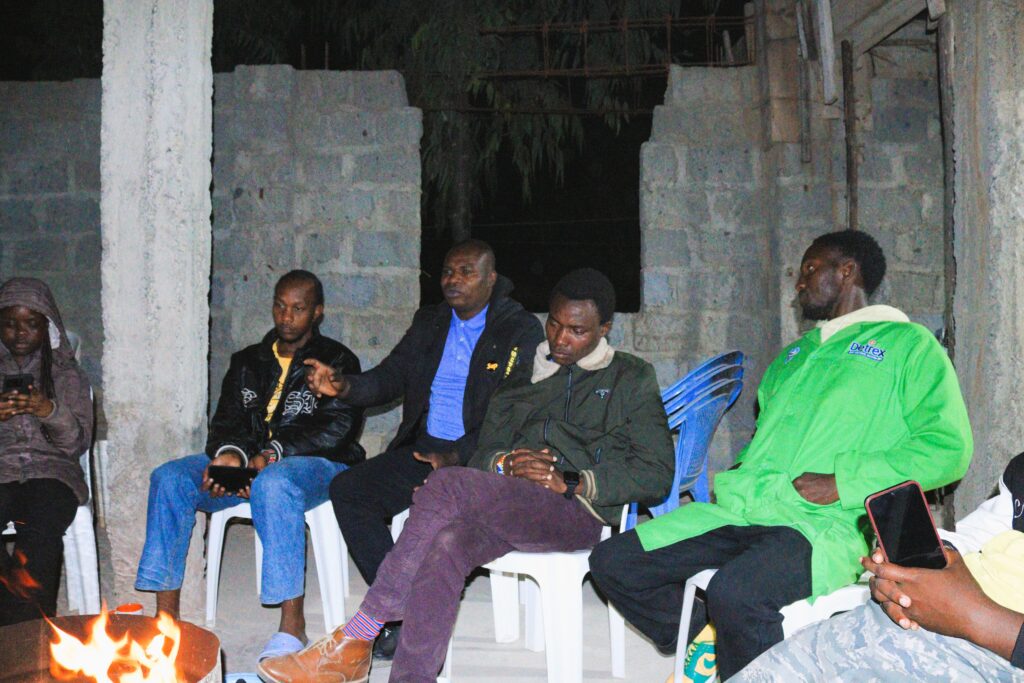
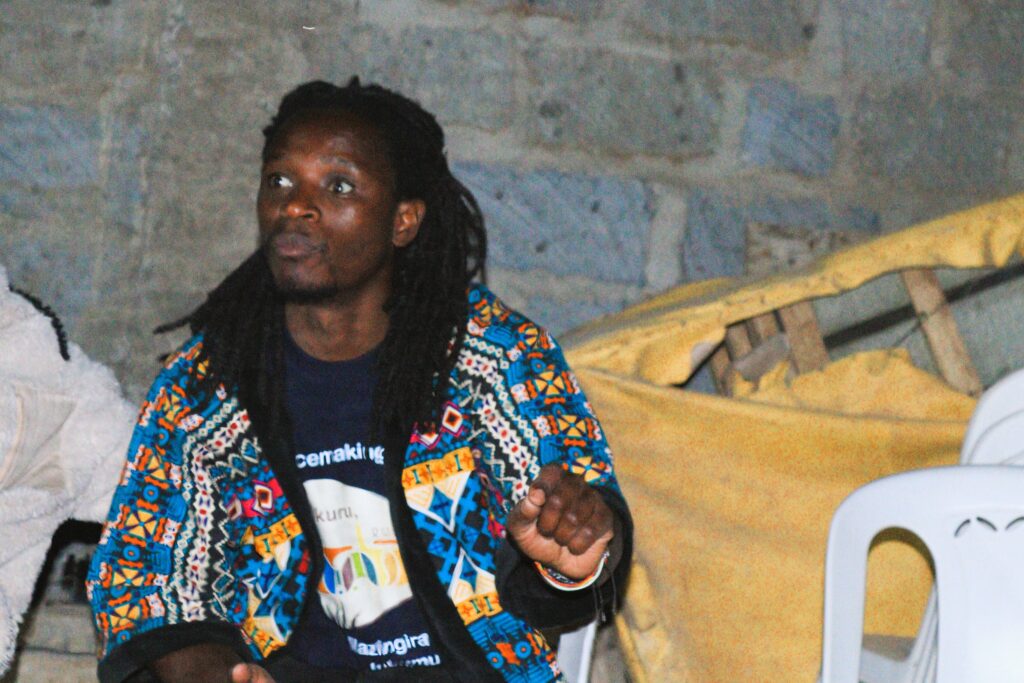
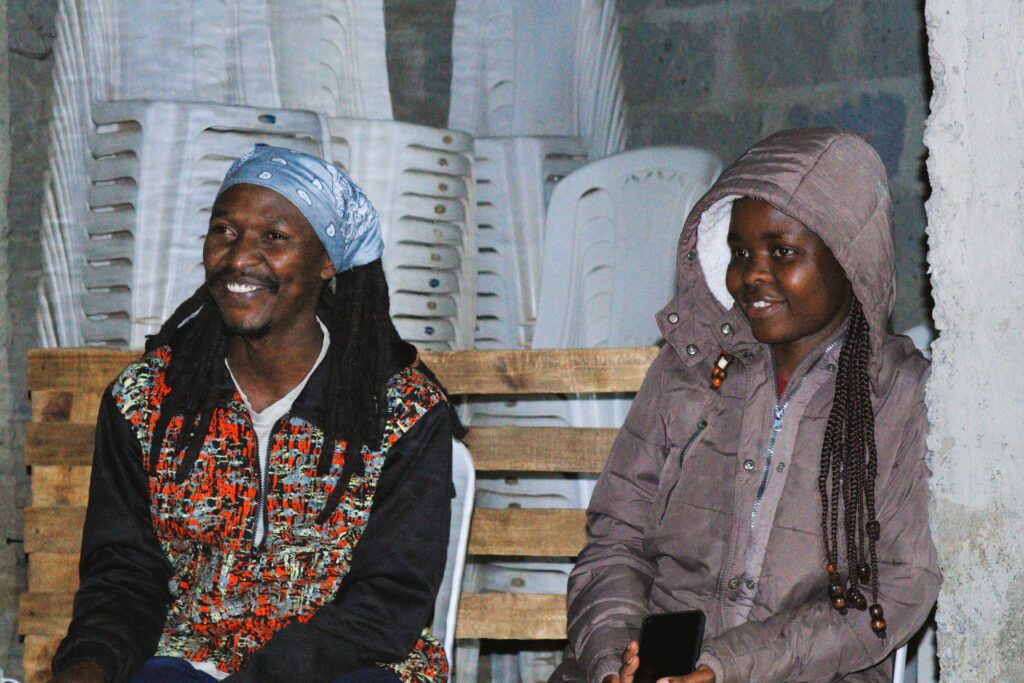
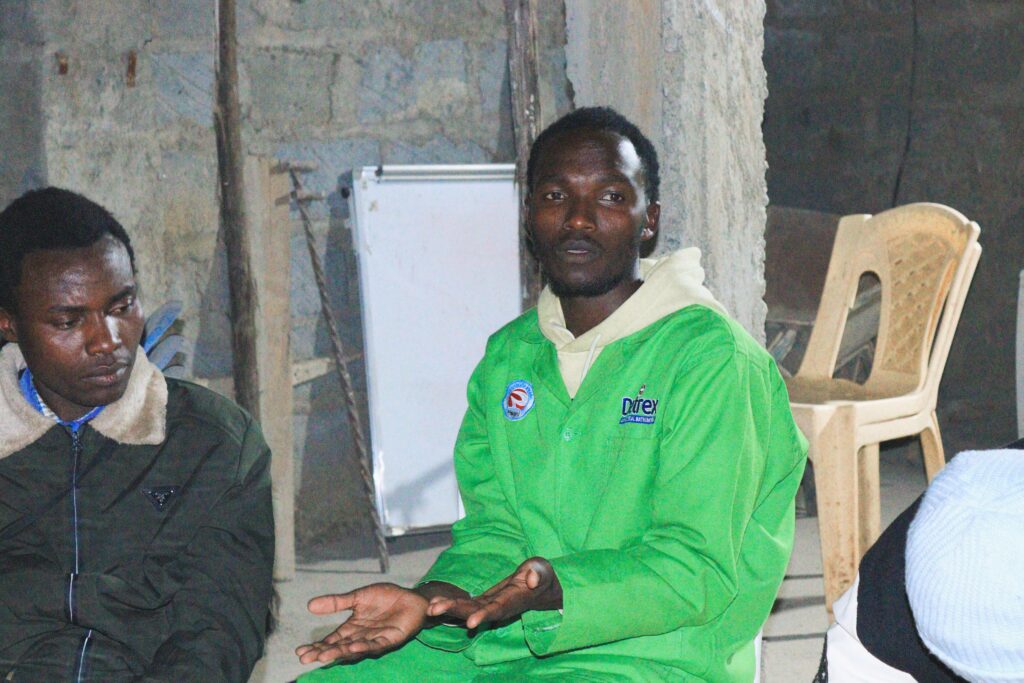
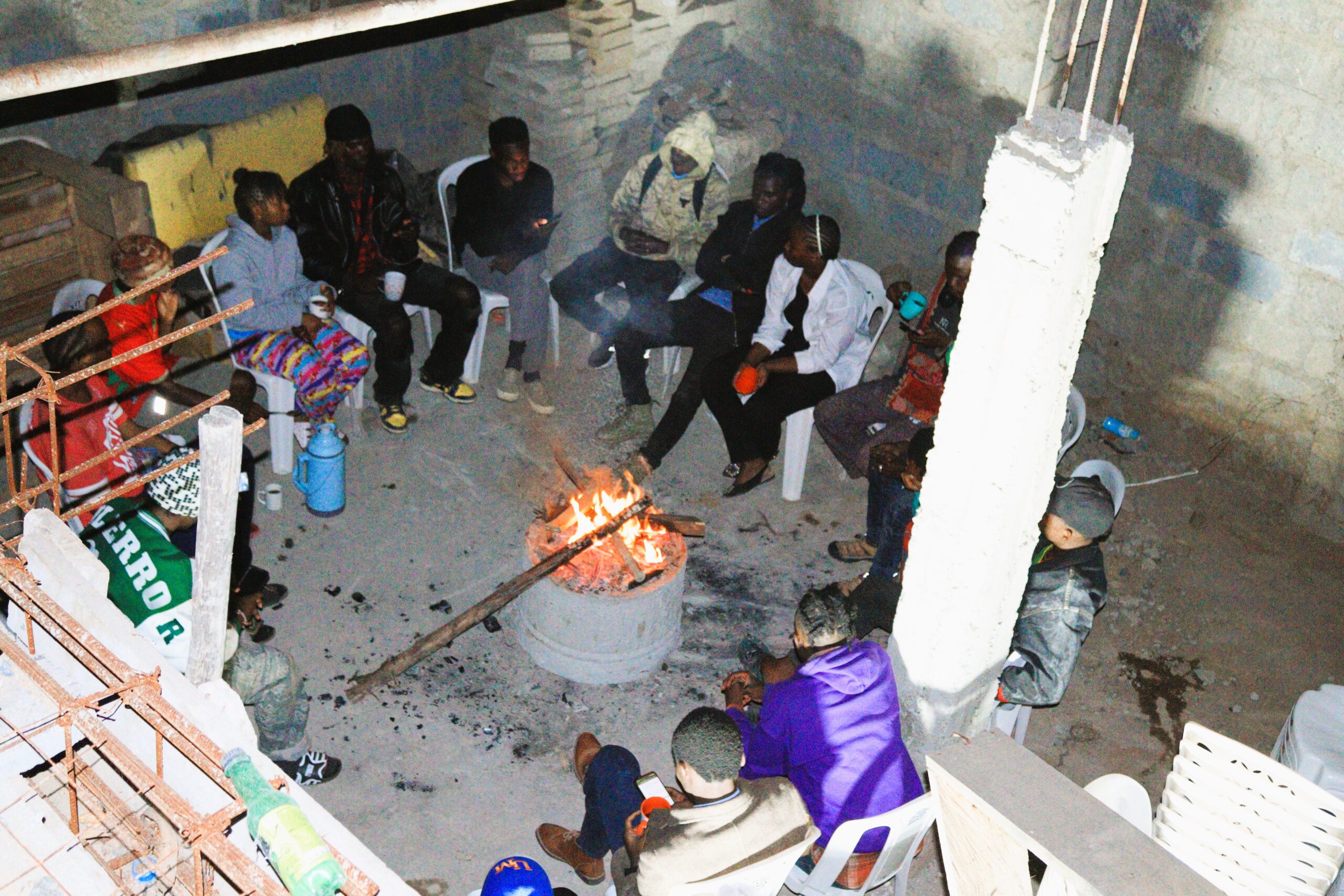
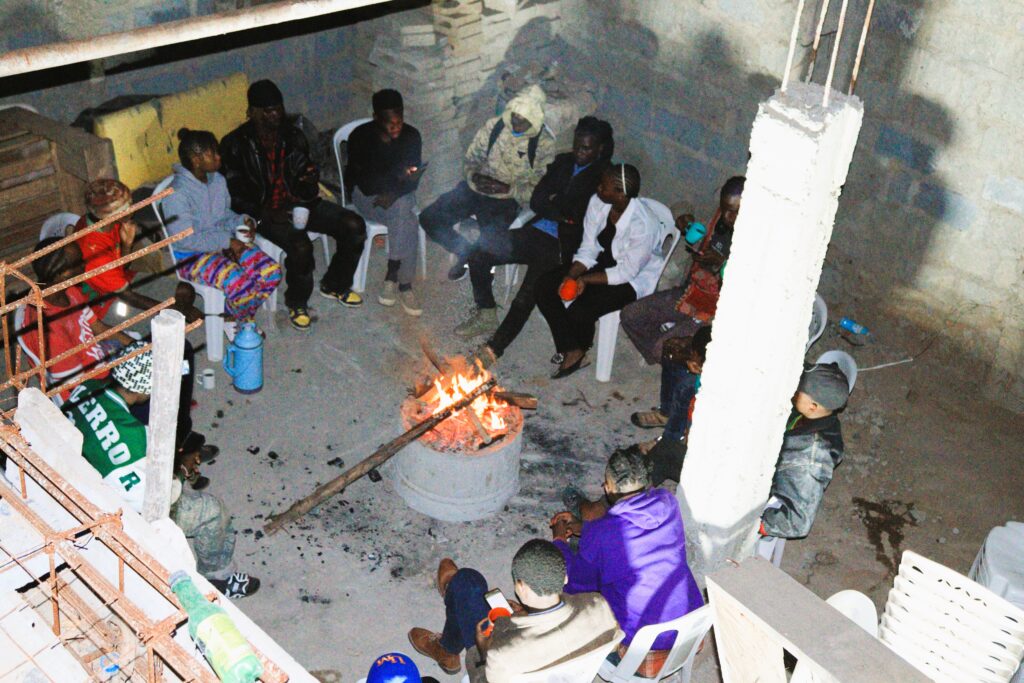
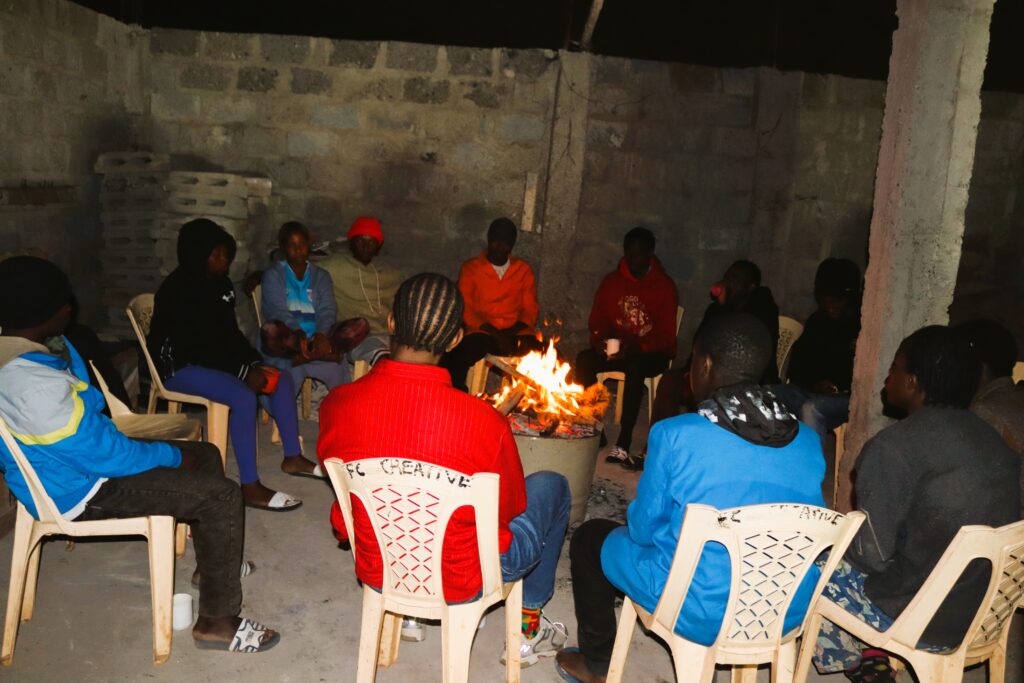
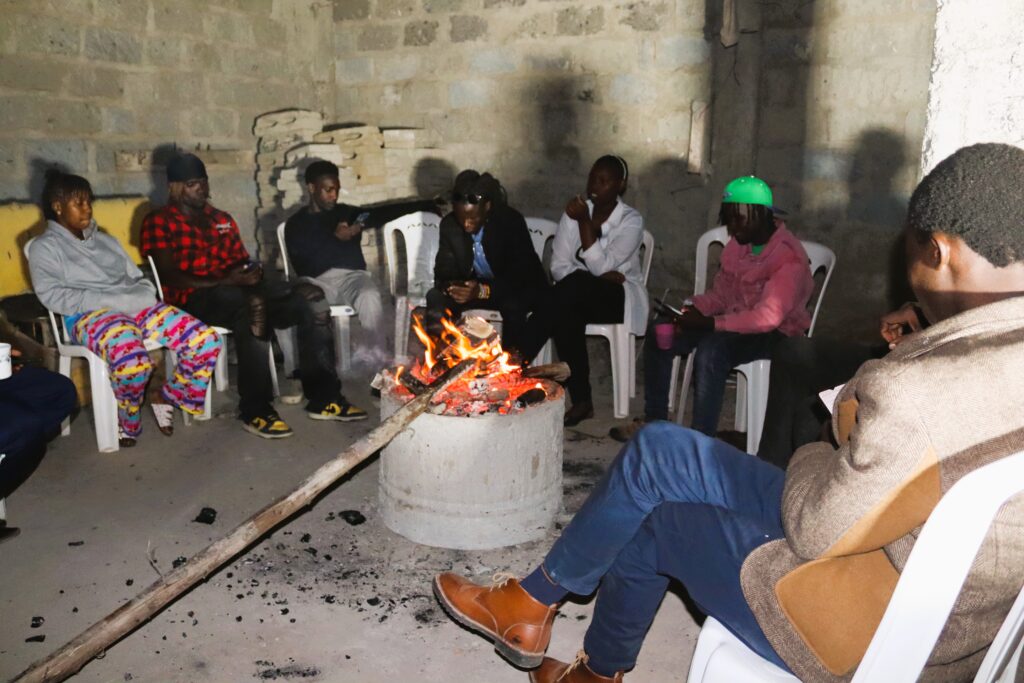
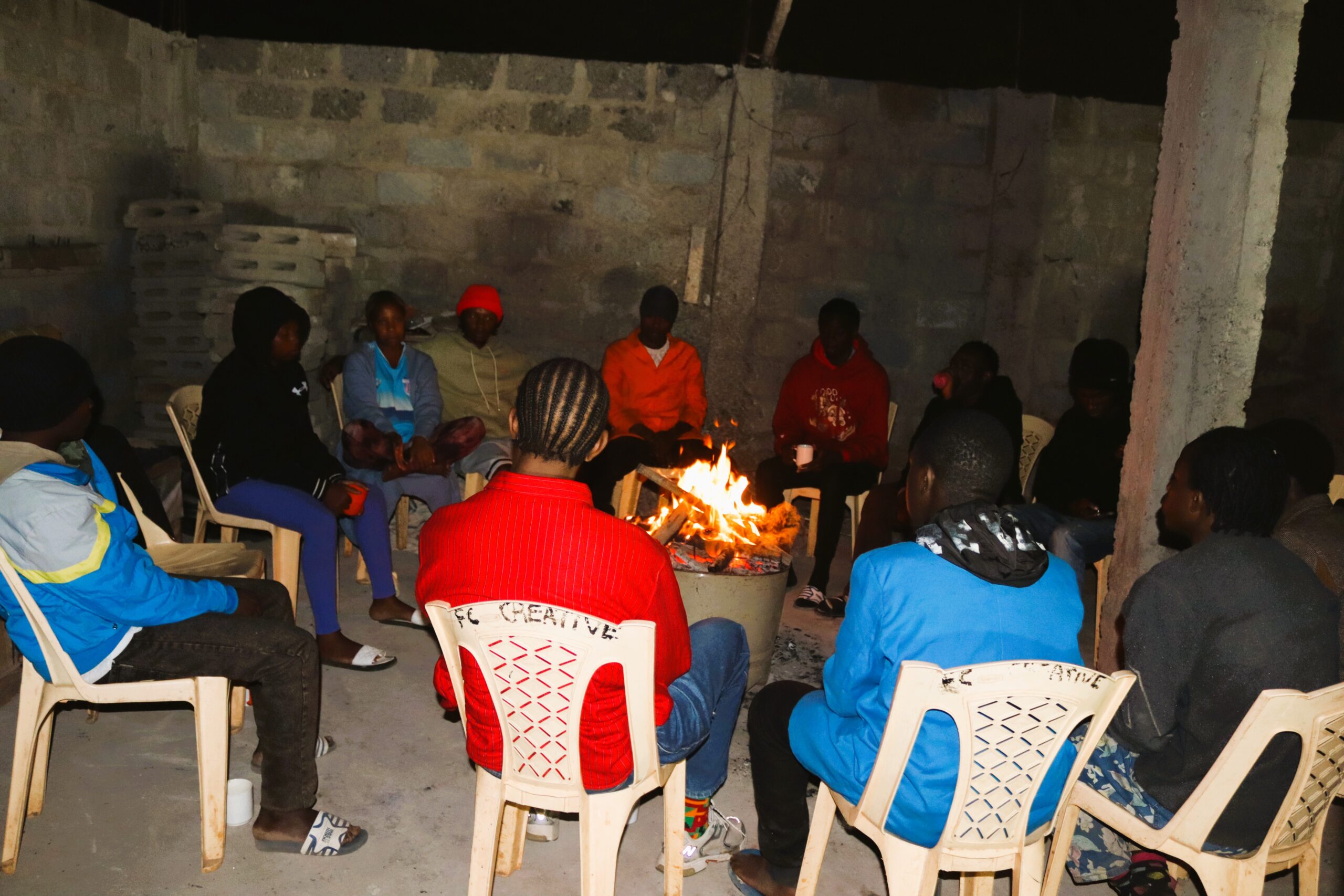
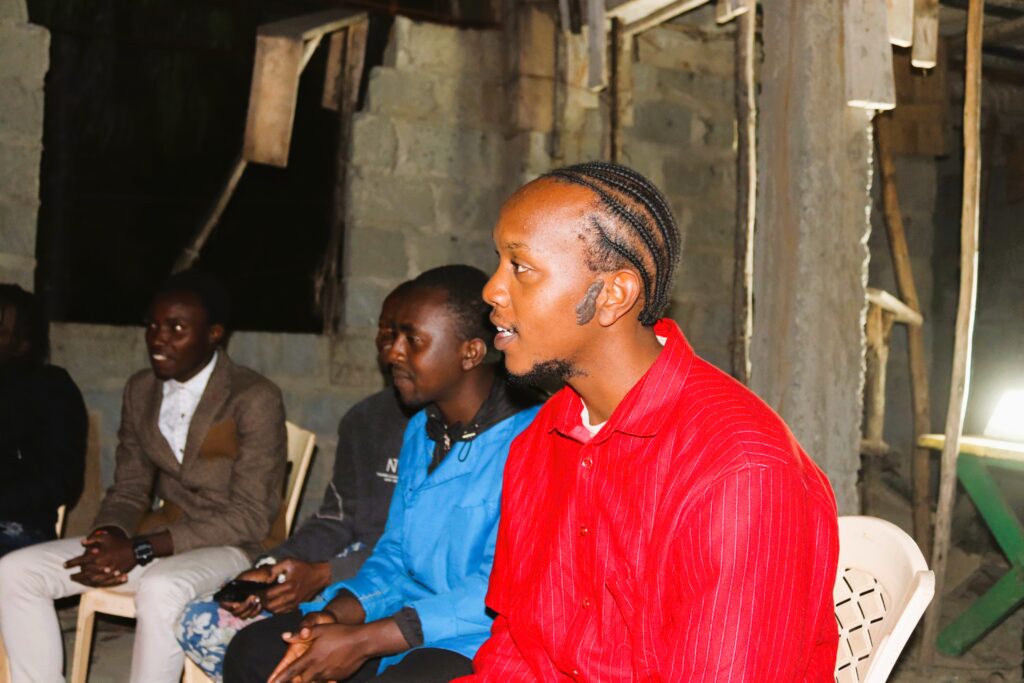
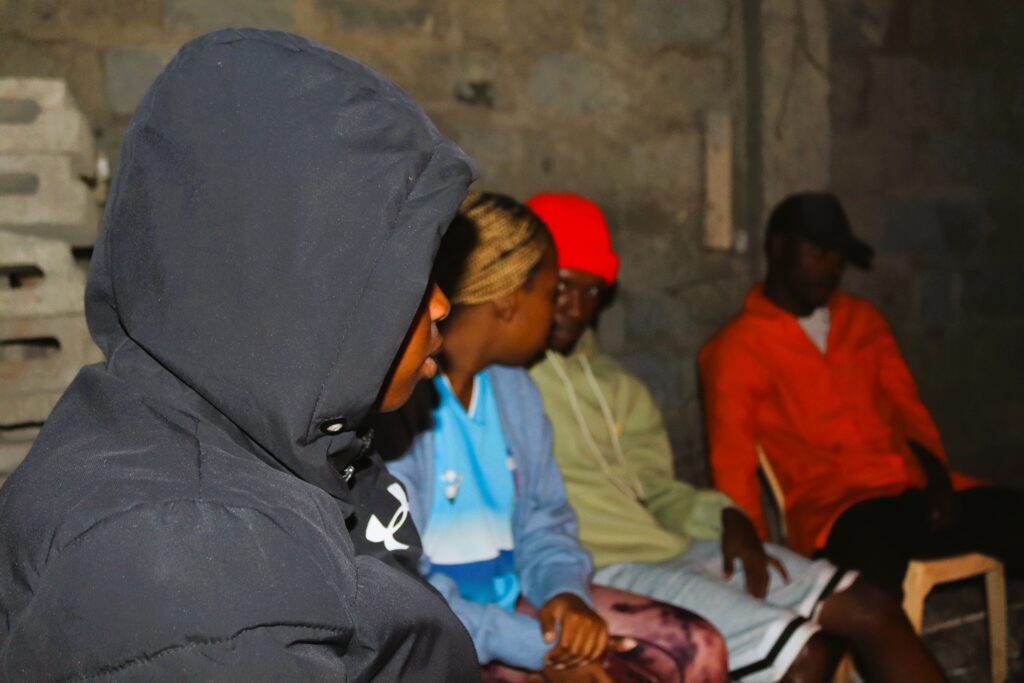
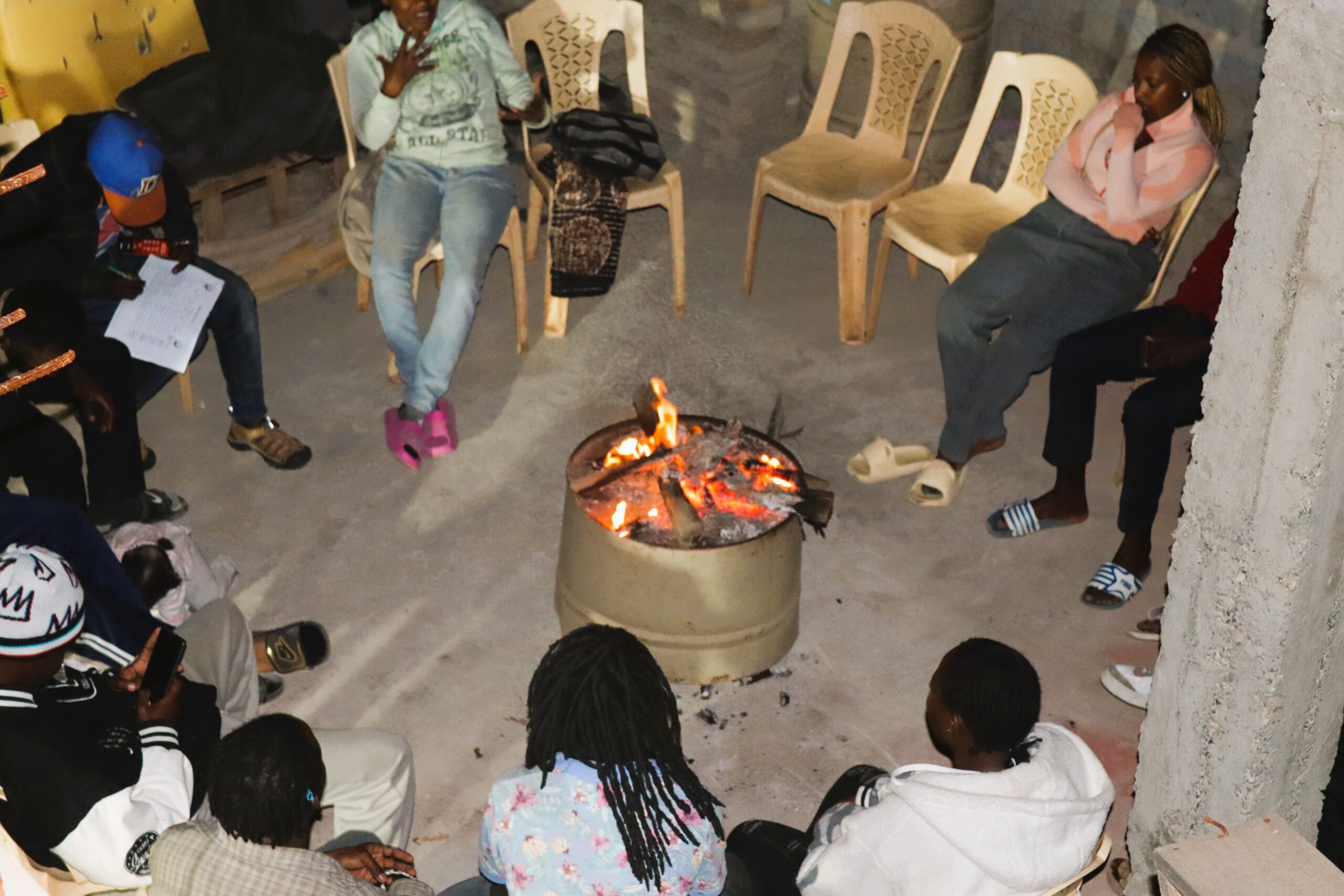
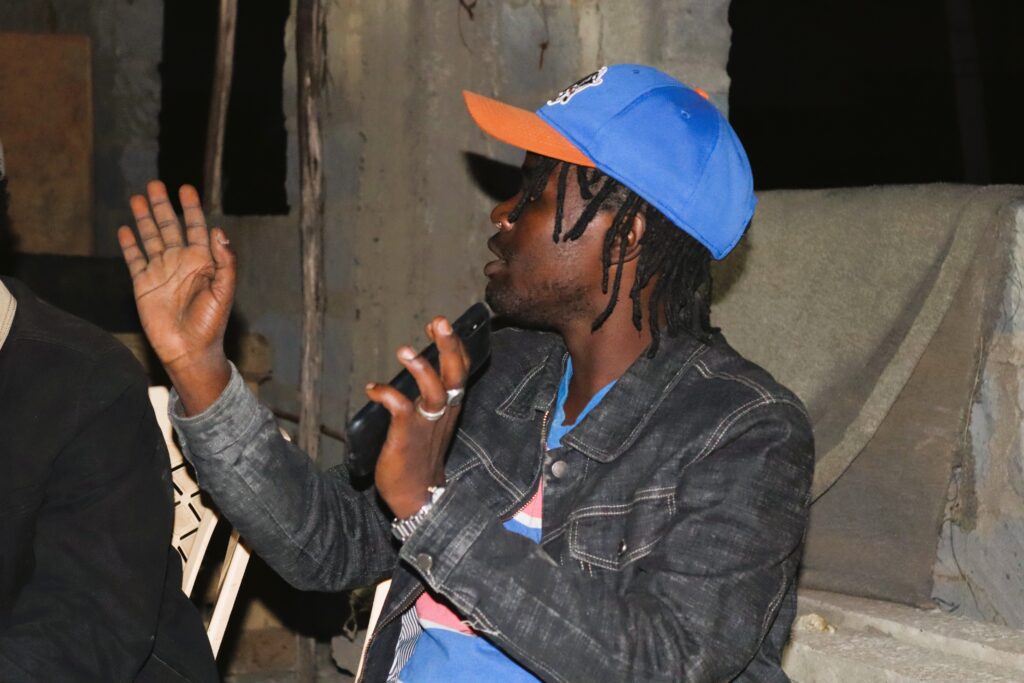
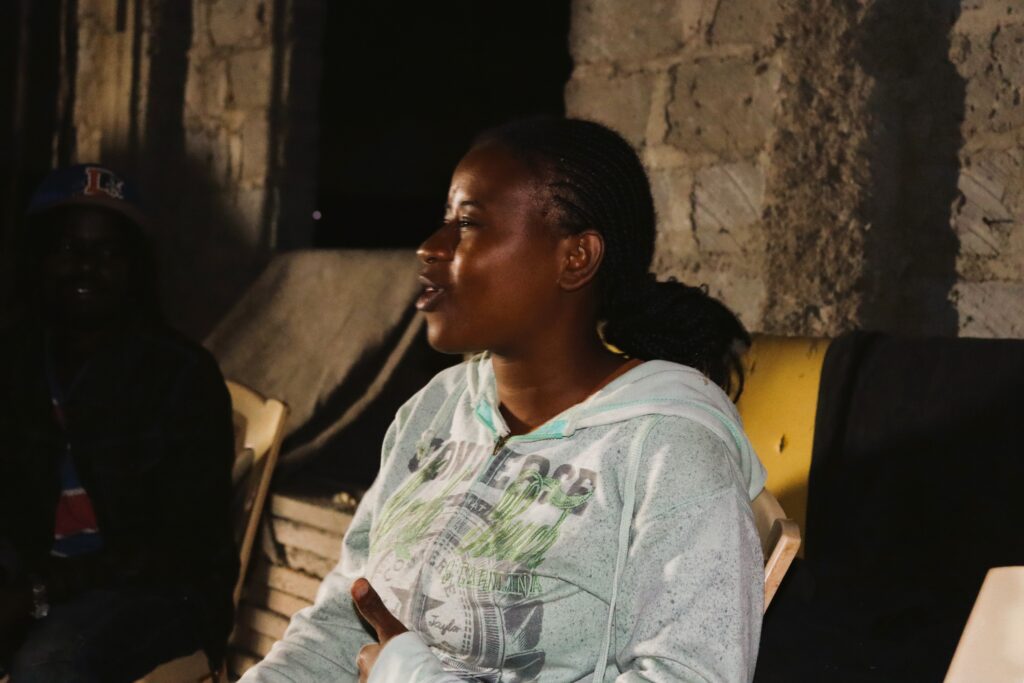
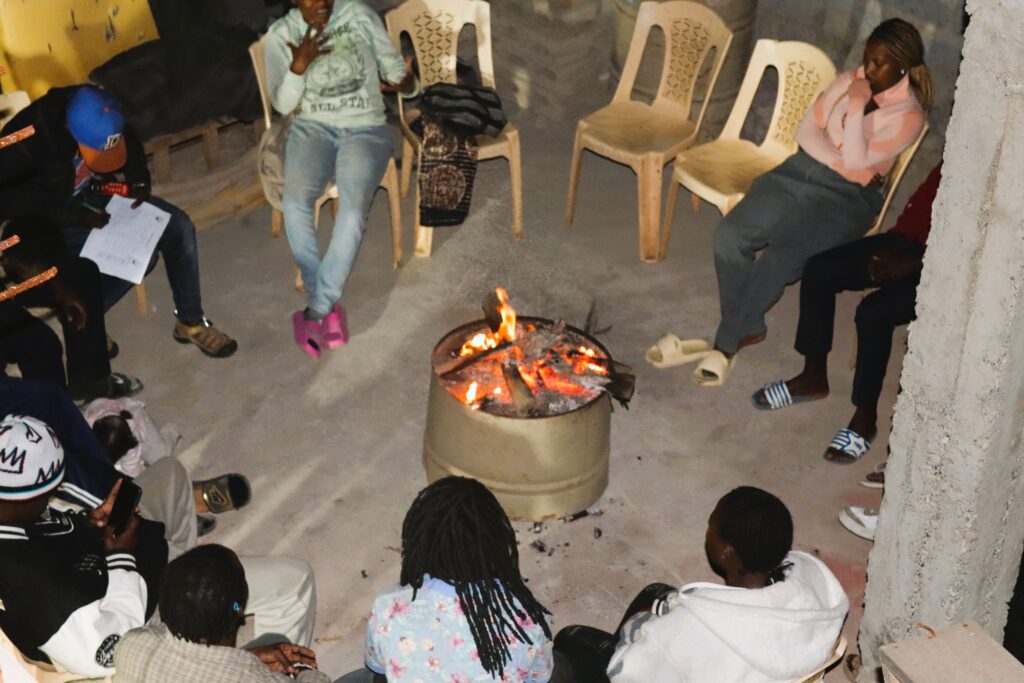
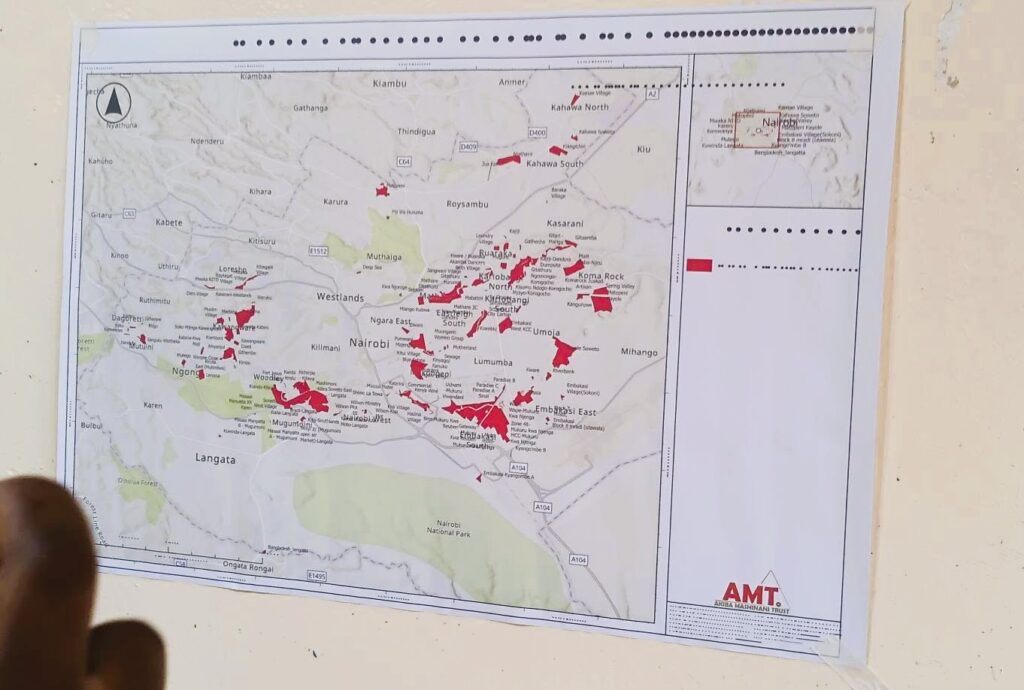
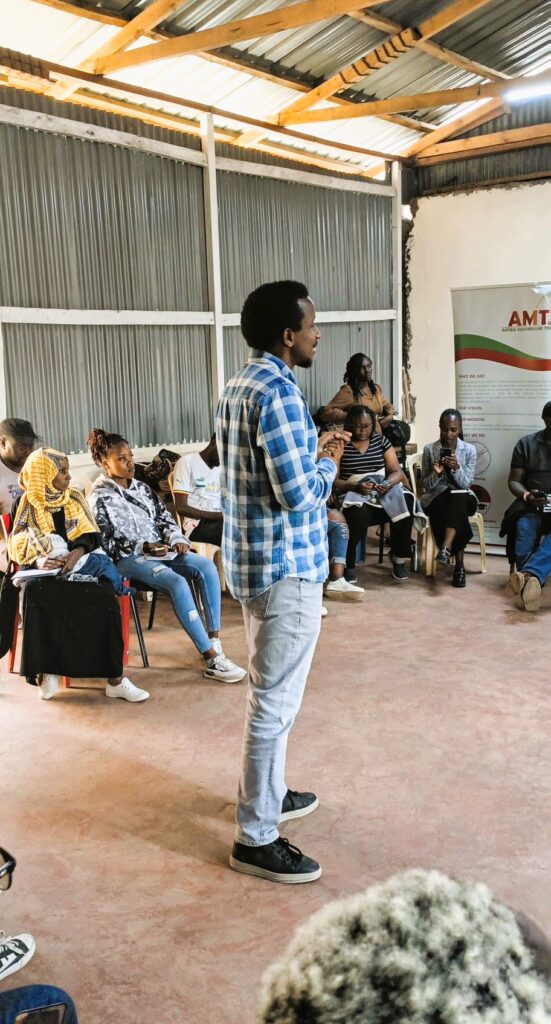
On 30th September 2026, MuYI joined other community actors and stakeholders for a follow-up meeting held at the Ghetto Foundation in Mathare, facilitated by Akiba Mashinani Trust.
The meeting was an important opportunity to reflect on the manifesto formulation process and discuss how Nairobi residents can collectively define the issues they want future leaders to prioritize.
A Manifesto From the People
The Nairobi People’s Manifesto is being developed as a platform for communities across Nairobi to articulate their priorities and aspirations.
The process recognizes that residents understand the challenges facing their communities because they experience them every day. From access to basic services and affordable housing to employment, youth opportunities, security, health, education and accountable leadership, Nairobi residents have clear concerns about the future of their city.
Through the manifesto process, these concerns can be brought together into a shared set of priorities that can be presented to leaders who will be elected in the 2027 General Election.
The intention is to ensure that communities are not only approached during election campaigns, but are also able to clearly communicate what they expect from their elected representatives.
From Election Promises to Community Priorities
Elections provide an opportunity for citizens to choose their representatives, but meaningful participation goes beyond voting.
The Nairobi People’s Manifesto formulation process creates an opportunity for residents to identify what they want their leaders to focus on once elected.
It is about asking an important question:
What should the leaders elected in 2027 deliver for the people of Nairobi?
By collectively identifying priorities, communities can create a reference point for continued engagement with elected leaders and other decision-makers.
The Role of Community Journalism
The Mathare meeting also highlighted the important role of community journalists in documenting community priorities and supporting informed civic engagement.
Community journalists are often deeply connected to the communities they report from. Their work can help amplify local voices, document issues and provide residents with information that supports meaningful participation.
As Nairobi approaches the 2027 General Election, responsible reporting and access to accurate information will remain important in addressing misinformation and hate speech and supporting peaceful civic participation.
MuYI and Community-Led Change
For Mukuru Youth Initiative, participation in the Nairobi People’s Manifesto process builds on our commitment to creating spaces where young people and communities can participate in conversations that affect their lives.
Through our work in Mukuru, MuYI continues to use art, digital media, civic engagement and community organizing to amplify community voices and support young people to become active participants in shaping their communities.
We recognize that the challenges facing Nairobi cannot be addressed without the meaningful participation of the people who live here.
The Nairobi People’s Manifesto provides an opportunity for communities to come together, identify shared priorities and engage leaders around the issues that matter most to Nairobi residents.
Building Nairobi Together
From Mukuru to Mathare and across the different communities of Nairobi, residents have ideas, experiences and solutions that deserve space in the city’s development agenda.
MuYI is proud to contribute to a process that seeks to place those voices at the centre.
The Nairobi People’s Manifesto is ultimately about creating a shared community agenda — one that Nairobi residents can use to engage with leaders elected in 2027 and advocate for priorities that can improve the lives of the people of Nairobi.
Our city. Our priorities. Our voices.
MuYI looks forward to continuing to work alongside community organizations, young people, journalists and other stakeholders to ensure that Nairobi residents remain active participants in shaping the future of their city.
#MuYI #MukuruYouthInitiative #NairobiPeoplesManifesto #Nairobi #CommunityVoices #CivicEngagement #Mukuru #Mathare #2027GeneralElection